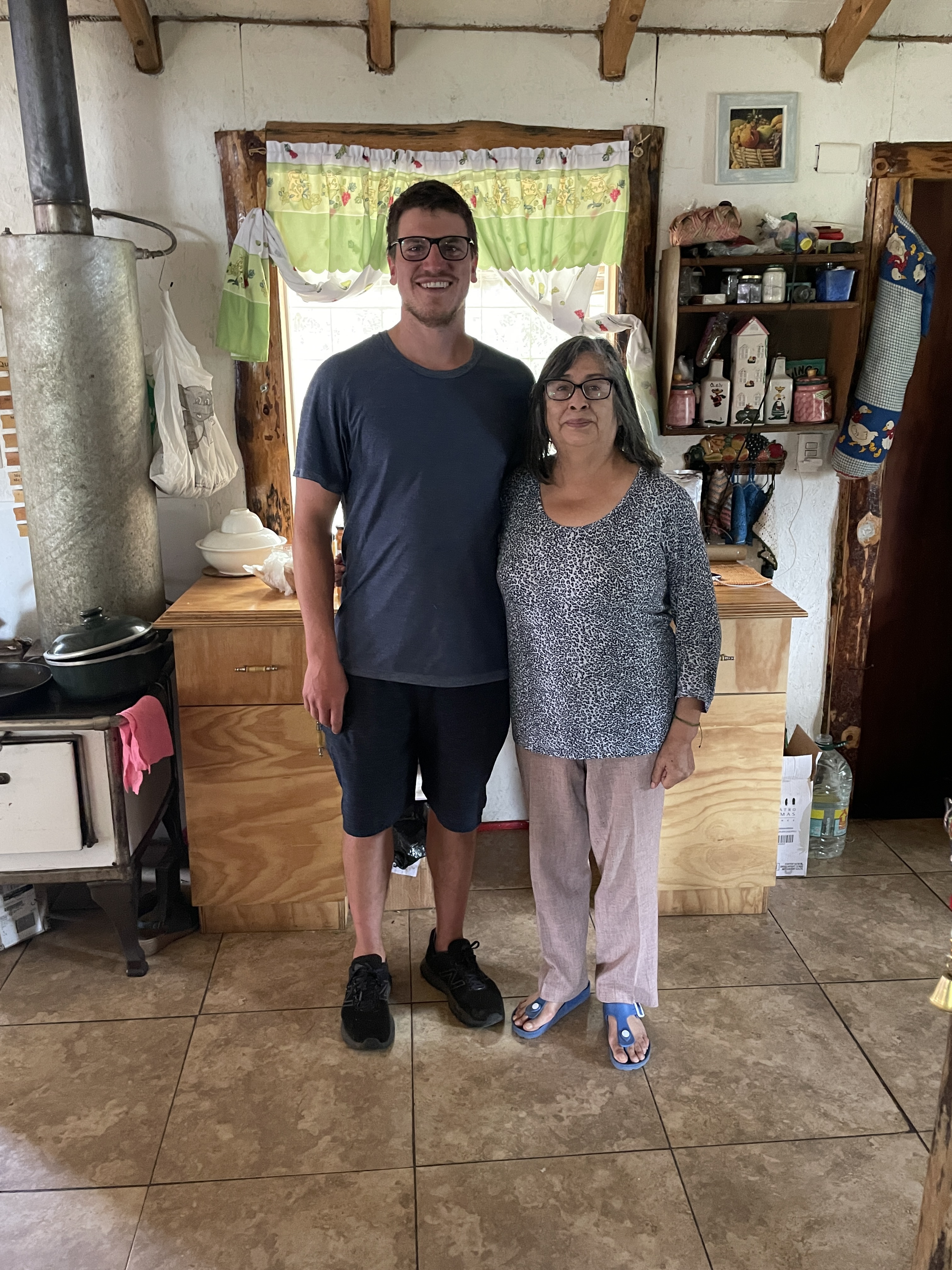
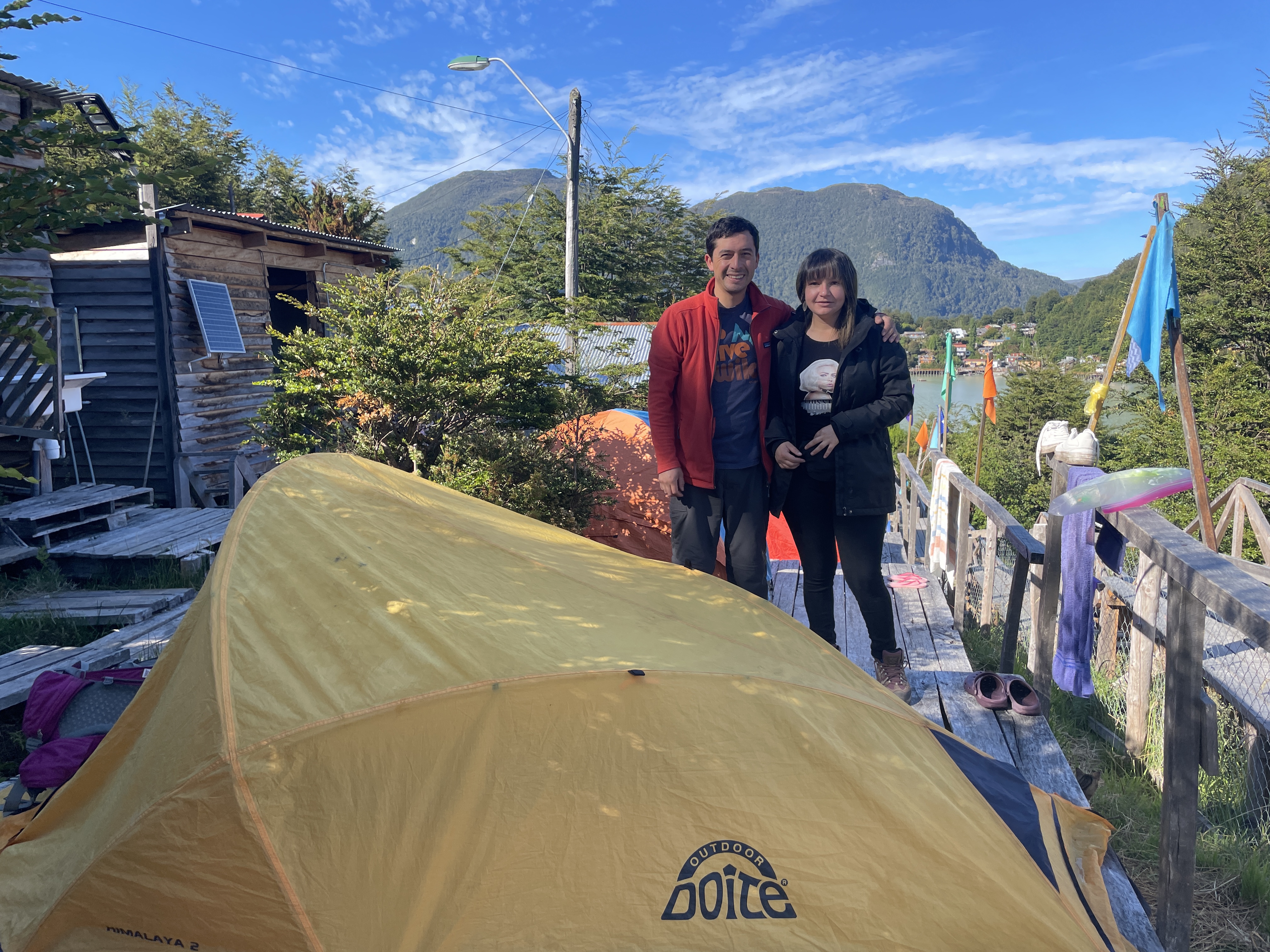
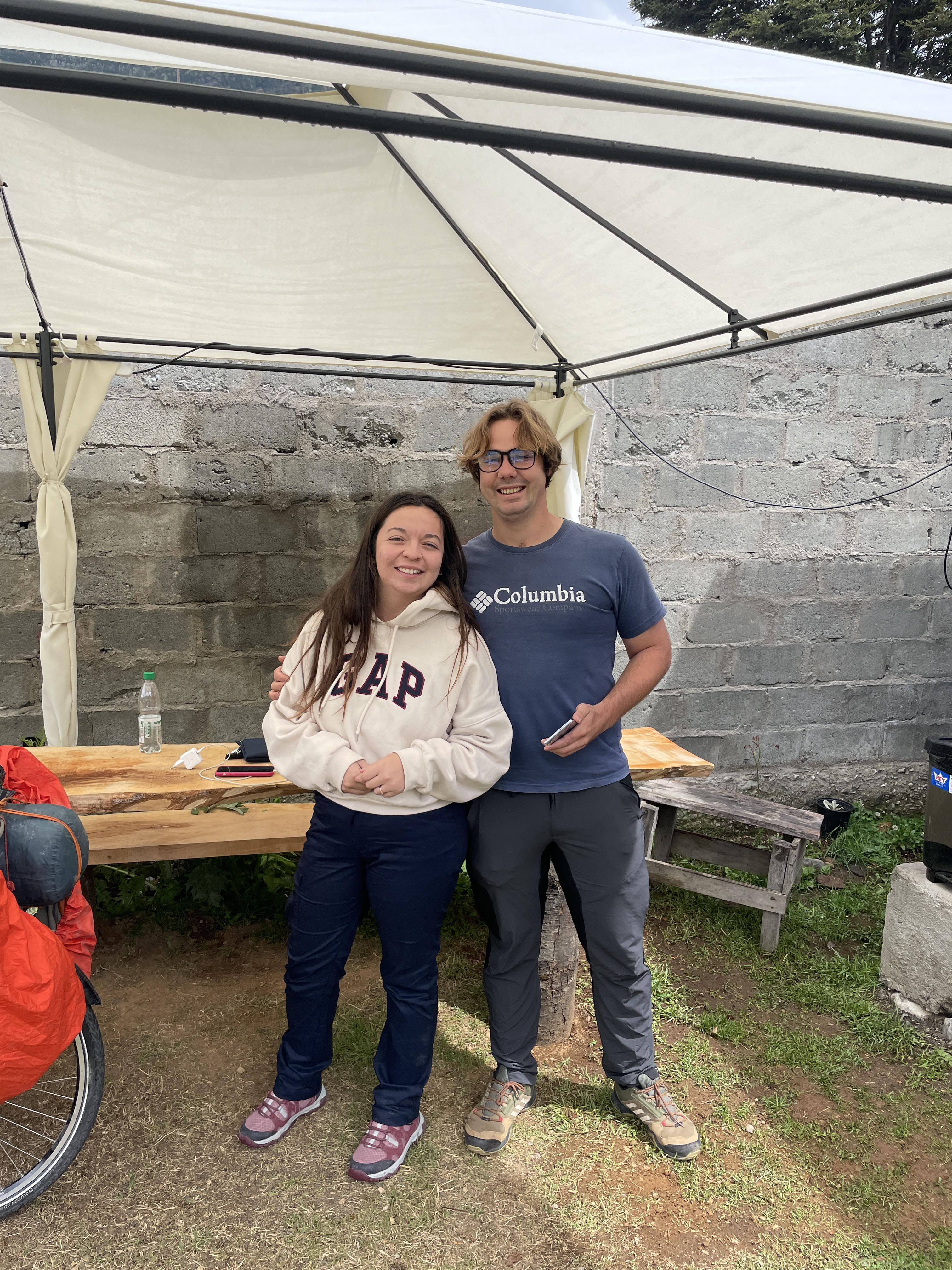
About 10 days ago in Caleta Tortel, a Chilean couple from el Maule showed up at the campsite next to mine. We said hello, shared some beer, exchanged some stories, and went searching for a TV showing Chile’s crucial World Cup qualifier against Argentina. After watching Chile lose 2-1, we walked back to the campsite and chatted until bedtime. Before crawling into her tent, the young woman turned to me and asked: “Oh yeah, what’s your name?”
We laughed, introduced ourselves (they were Selma and Diego), and marvelled at how often this sort of delayed introduction seems to occur while on the road.
I first encountered this phenomenon while hitchhiking around the southern USA in late 2012, where I would routinely have deep, direct conversations with drivers before waving goodbye forever a few hours later (often without ever learning their names). On that trip, I learned how much I love talking to strangers.
In The Power of Strangers: The Benefits of Connecting in a Suspicious World, author and journalist Joe Keohane provides an absorbing anthropological, psychological, philosophical, and personal account of how we think about and interact with strangers. It’s relatable, engaging, and informative. Above all, it’s a call to action to start talking to our fellow humans.
About 2.5 million years ago, as the ice age forced our ancestors out of the forests and onto the perilous and hostile savannah, we quickly learned that cooperation and collaboration with strangers were essential survival tools. This behaviour persisted. Anthropological and archeological studies of hunter-gatherer groups throughout history reveal that, almost universally, humans learned to see strangers as assets who would offer communities a wider range of personality, interests, skills, and ideas. Today, a large body of research claims talking to strangers improves our happiness, deepens our connection to our surroundings, makes us mentally sharper and healthier, more trustful and optimistic.
These days, there’s trouble in strangerland. In 2022, despite our mind-bogglingly interconnected environment, we engage less and less frequently with strangers. In our increasingly frictionless society (think food delivery apps, self-checkouts, and Google Maps), we deprive ourselves of those inefficiencies that open us up to new and different people and ideas. The great migration from face-to-face to online socializing has contributed to a loneliness epidemic (particularly acute amongst young people) that some health experts consider as damaging as chronic cigarette smoking. Today’s landscape of political polarization, economic inequality, and digital echo chambers means most of us have come to see large swaths of our fellow citizens as “strangers” beyond understanding.
Mending a fragmented, mistrustful society is a monumental challenge. But Keohane argues that talking to strangers is a necessary step. It turns our eyeballs outward, shifts us off autopilot, and forces us to fully engage in the present (psychologist Oscar Ybarra says the mental exercise of interacting with strangers improves cognitive functioning). It forces us to consider a wider range of viewpoints and perspectives. It humanizes those invisible masses around us. And, best of all, it makes us feel good. Experts attribute the buzz we get from new interactions to oxytocin, a chemical the brain releases when we connect with others.
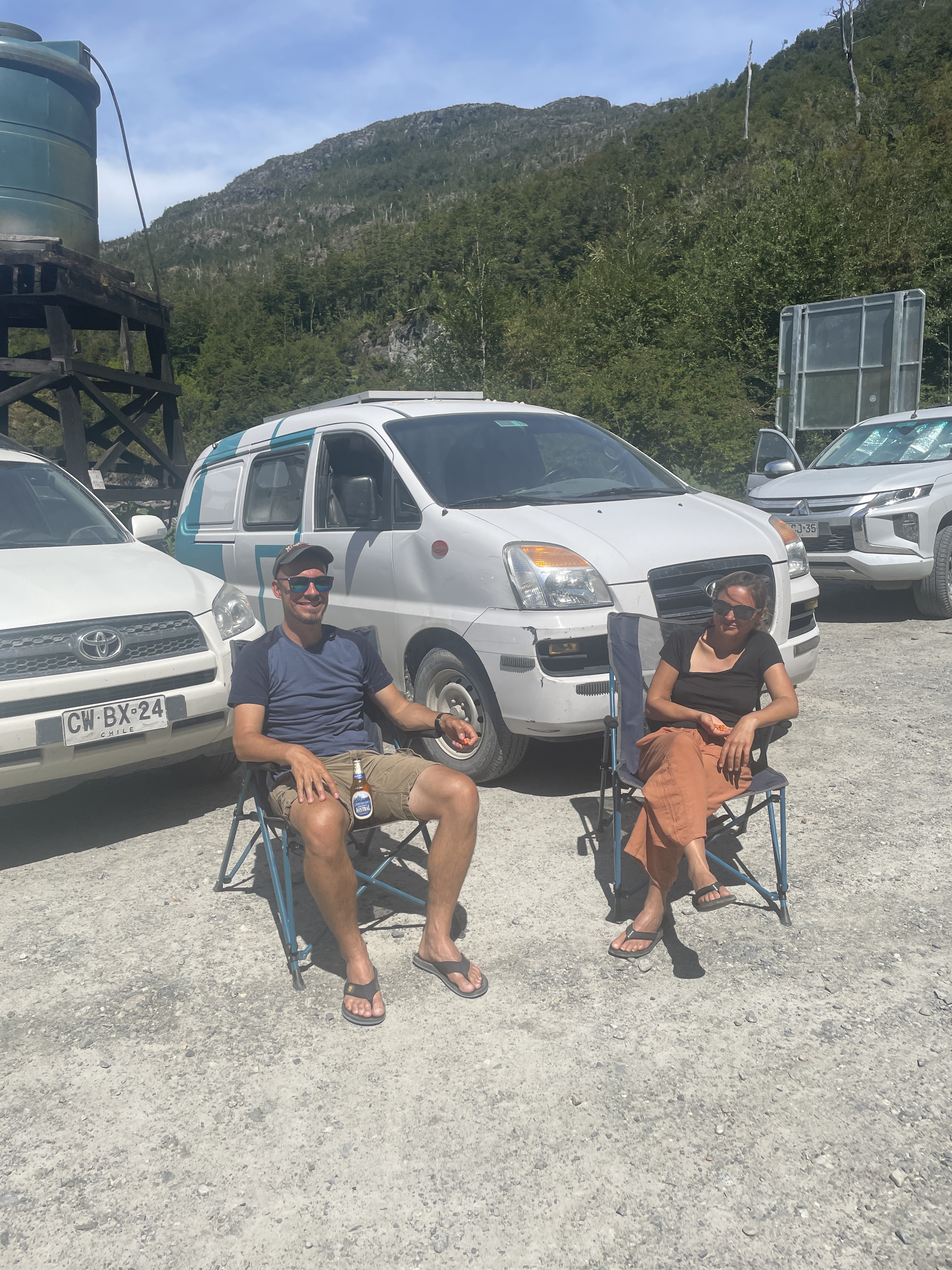
As a solo bicycle tourist, it’s easy enough talking to strangers. It’s my only option for any sort of human interaction, while most Chileans see a random foreign guy on a bike as a safe and approachable figure. But, while cycling, I’ve been reflecting on my own distancing from strangers while in Toronto. I spent four years living in Canada’s most populous city, yet often went large chunks of time without truly interacting with new people. I was in a rush. I was too tired from the workday to bother with “small talk.” I had a book to read, a podcast to listen to, or a Smartphone I could use to shut out the world. It was too easy, too convenient, to turn inward and retreat from public space.
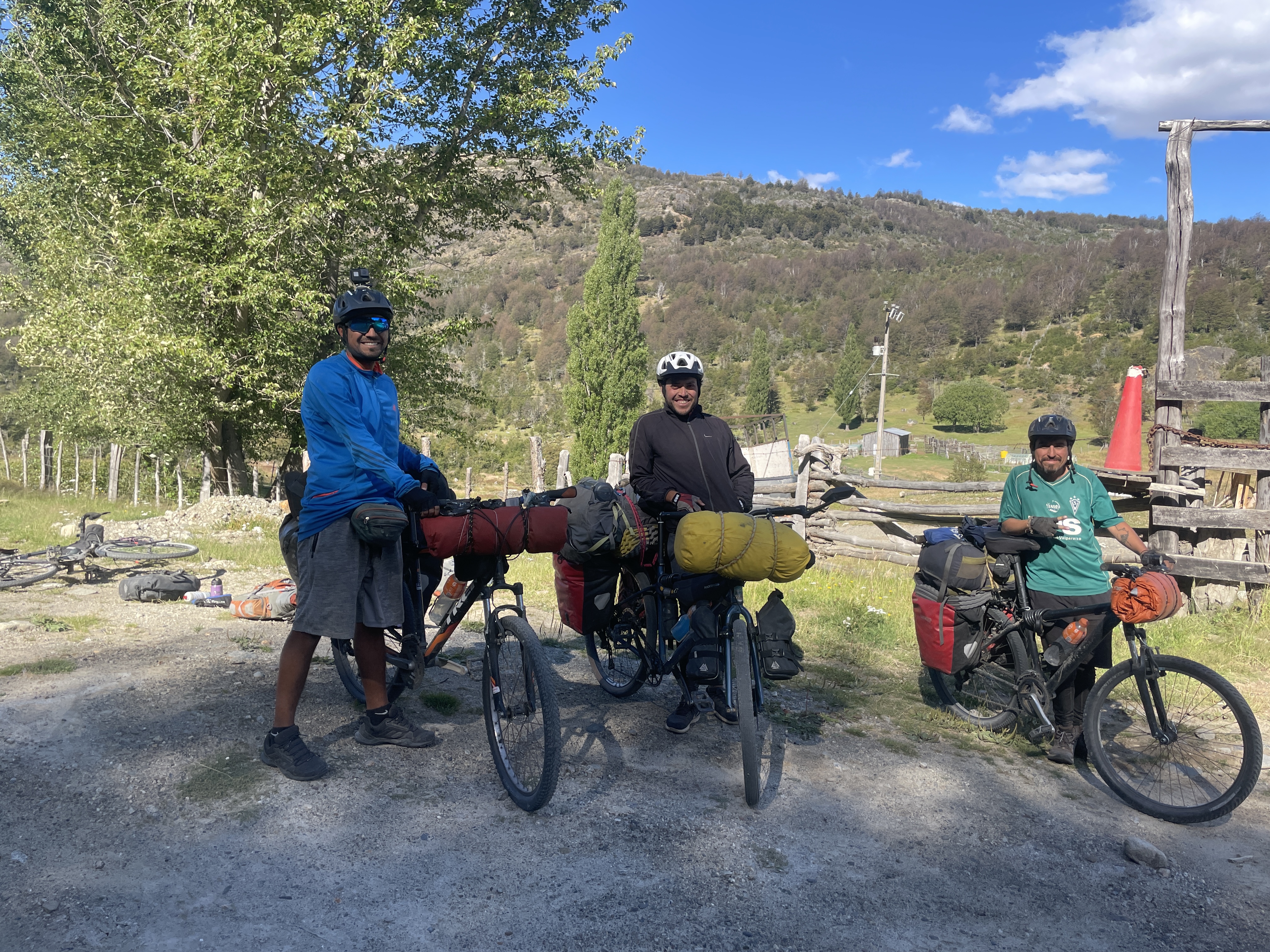
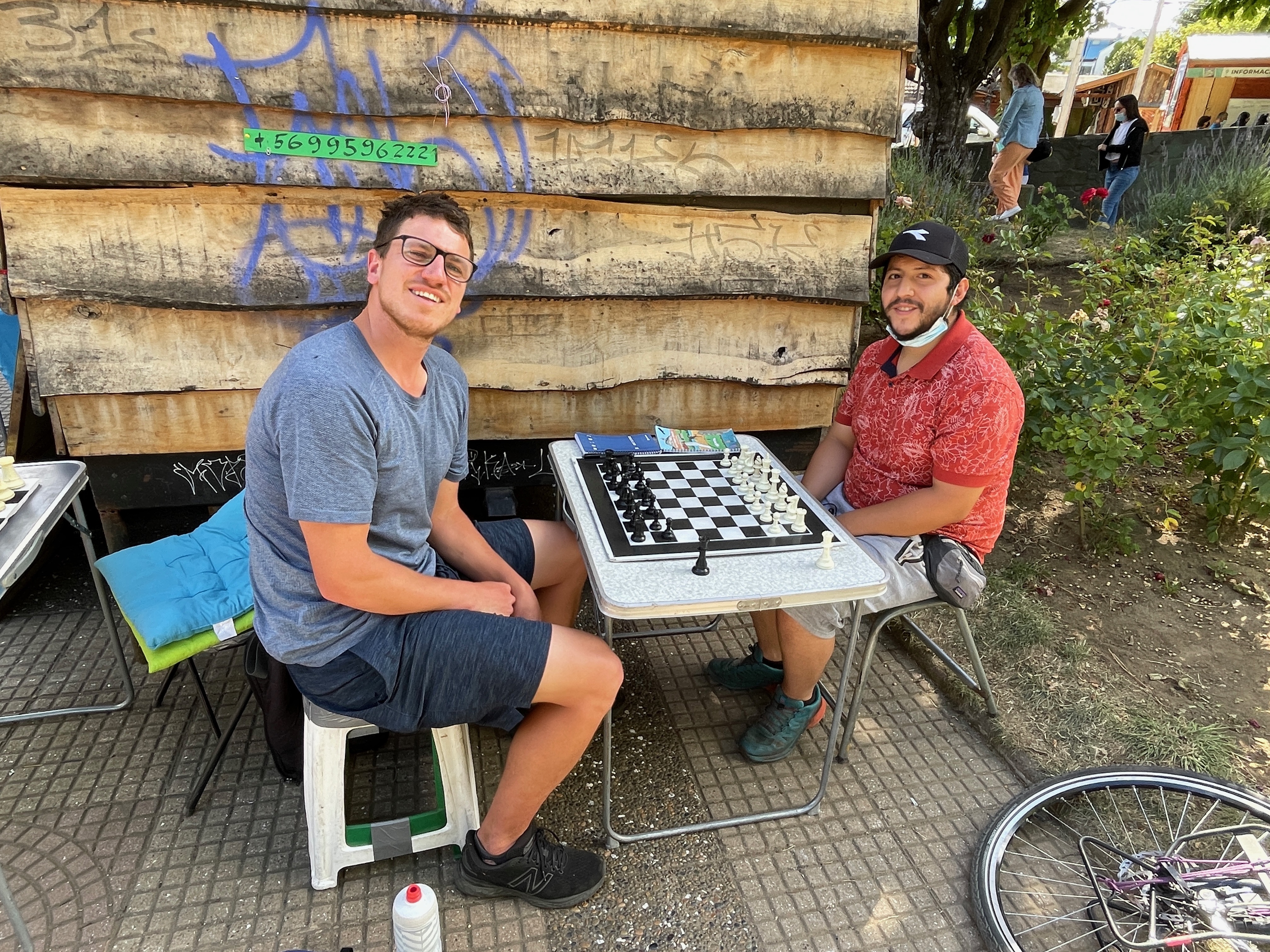
So far in Chile, strangers have been my vehicle for learning about this country. Diego (buddy from the campground) was a history teacher who keenly explained how the deeply-entrenched centralized nature of political and economic rule in Chile dates back to Spanish colonization. Fernanda, a doctor I met in Puerto Bertrand, discussed in detail the inequities between an underfunded healthcare system and a burgeoning private one. Dani and his buddies (fellow bicycle tourists) gave me an extensive breakdown of club football in Chile and urged me to support the Valparaiso-based Santiago Wanderers. Right now, while hanging out back in Coyhaique, I’ve spent many evenings chatting with Eliana about just about whatever comes to mind.
When I talk to strangers, I feel better about myself and better about my fellow humans. This is a lesson I hope to take back to the routine of daily life, whenever that starts up again.
 Gilbert Coyle
I’m good with strangers
Beautiful work, my son! Proud of you. Love, Pa in YYZ.