Mexico City
Five thoughts from a week-long visit to the capital in late February
1) Massive
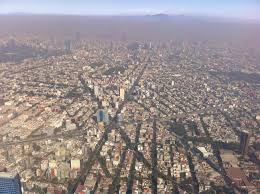
DF (Distrito Federal) is such a sprawling expanse that I didn’t know where to start. In a city of 26 million people (almost the size of Canada!), a week wasn’t nearly enough time to get to know more than a few neighbourhoods.
An impressive an intricate subway line extending into all parts of the city (and puts the TTC to shame) makes things easier. Tickets go for 50 pesos (40 cents). The subways are often crowded, but that’s part of the fun: on every car, vendors climb aboard to hawk goods to the jam-packed masses.
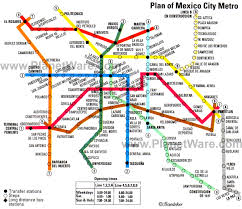
Amazingly, the subway still doesn’t get you everywhere. It took two buses from one of the southernmost points just to reach Denise’s house. It’s not uncommon to hear of locals spending up to four hours per day in transit.
2) Cosmopolitan
This city moves fast. And with the richest of rich and poorest of poor all crammed in, DF has something for everybody.
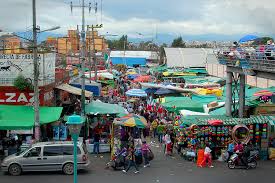
If you want a trendy night on the town, go to La Condesa. If you want tacos for three pesos (25 cents) and shabby cantinas, you’ll find those, too. Shop at fancy malls and buy all the American products you want, or explore the bustling street markets and watch men push 10-foot high carts of cheap food and goods through the crowds.
The relationship between big-city folk and other Mexicans is similar to Toronto and Canada : to the rest of the country, people from Mexico City are ‘chilangos’.
3) History
Mexico City was the country’s centre of operations long before Cortes and the Spanish arrived. In pre-Hispanic, Mexico, the powerful Aztecs were based at Tenochtitlan, a city-state whose empire stretched through most of southern Mexico.
When the Spanish arrived in 1519 to conquer and destroy, they then rebuilt on top of Aztec ruins, making Mexico City the capital of Nueva Espana.
The state of the city saw plenty of ups and downs over the next few centuries, but has remained the country’s centre of operations through independence, the revolution, and into today.
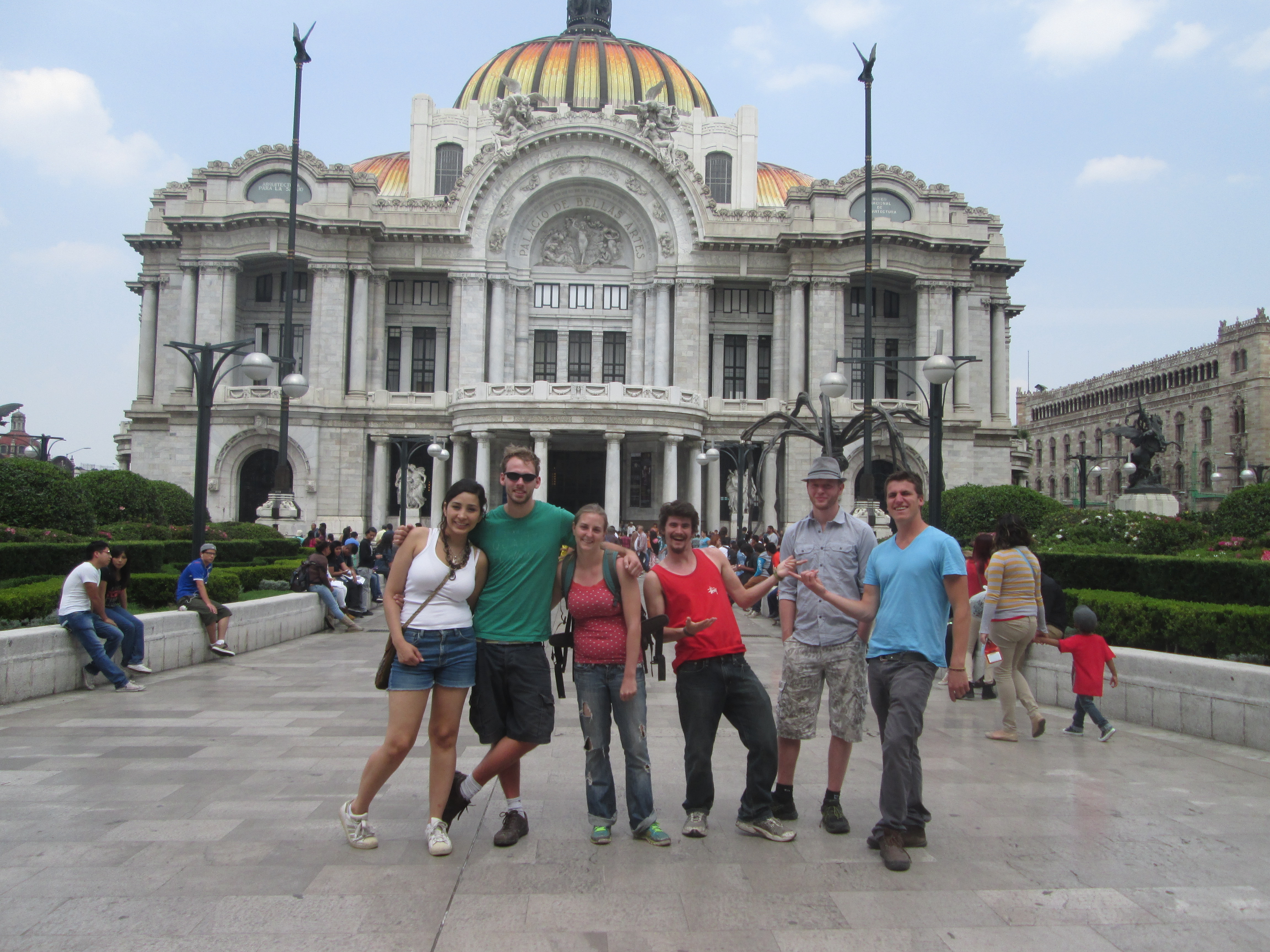
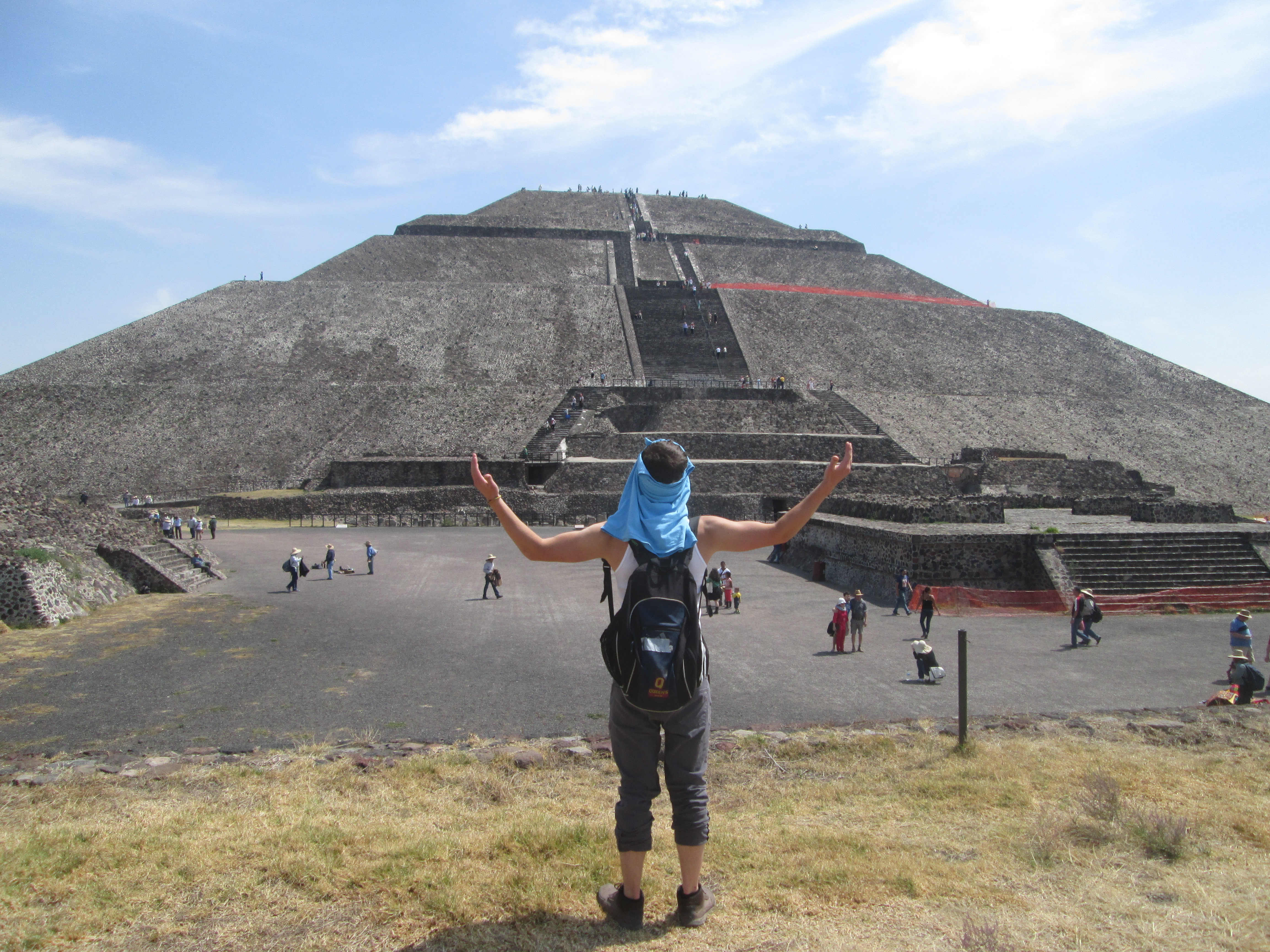
History is everywhere. The 34-square-block Centro Historico is packed with fascinating museums and top-notch architecture, other colonias like Coyoacan and la Ciudad Universitaria are jammed with sights, and you can always take a bus to the outskirts and visit the pyramids of Teotihuacan, Mexico’s biggest ancient city.
4) Hazy
The pollution talk is real. Some days, it’s actually tough to precisely locate the sun.
Having arrived from smaller cities and the Mexican countryside, it was a tough adjustment. High altitude and nasty smog makes for less-than-ideal breathing conditions.
5) Guero-friendly
If you’re a foreigner looking to settle for a while in Mexico, DF would be the easiest place to do it. It’s possible to live with limited Spanish, as many young people speak English. Provided you speak a little Spanish, work is also reasonably easy to come by.
Caitlin, one of my hosts in town, is from Illinois. Since finishing university three years ago, she’s been in DF teaching English. Many of her friends are ex-pats. And my other hosts, Maya and Ricardo, are both Mexicans who speak English.
Of course, you’re always a foreigner. Outside the tourist-laden, city centre, white guys stand out: I’d hear cries of “guero, guero” all the time. But, again, that’s part of the fun.
 Gilbert Coyle